by Umalas Kids Club | May 14, 2026 | Uncategorized
Why Parents Choose the British EYFS Curriculum
Choosing the right preschool is one of the most important decisions parents make during the early years of a child’s development.
For many international and expat families in Bali, education is about much more than early academics alone. Parents are increasingly looking for a preschool environment that supports emotional wellbeing, communication, independence, creativity, confidence, and long-term development from an early age.
This is why many families choose the British Early Years Foundation Stage (EYFS) curriculum.
At Umalas Kids Club, our British EYFS preschool in Bali provides a structured yet nurturing approach to early childhood education, helping children aged 6 months to 6 years develop the foundations they need for future learning and life.

Why many international and expat families choose the British EYFS curriculum at Umalas Kids Club in Bali.
What Is the EYFS Curriculum?
The Early Years Foundation Stage (EYFS) is the official British early childhood education framework used in the United Kingdom and by many leading international schools worldwide.
The EYFS curriculum focuses on the development of the whole child through a balanced combination of:
- Play-based learning
- Communication and language
- Social and emotional development
- Physical development
- Creativity and exploration
- Early literacy and numeracy
- Independence and confidence-building
Rather than placing pressure on young children through rigid academic expectations, the EYFS approach encourages meaningful learning experiences adapted to each child’s stage of development.
This child-centred philosophy helps children develop naturally while building strong foundations for future education.
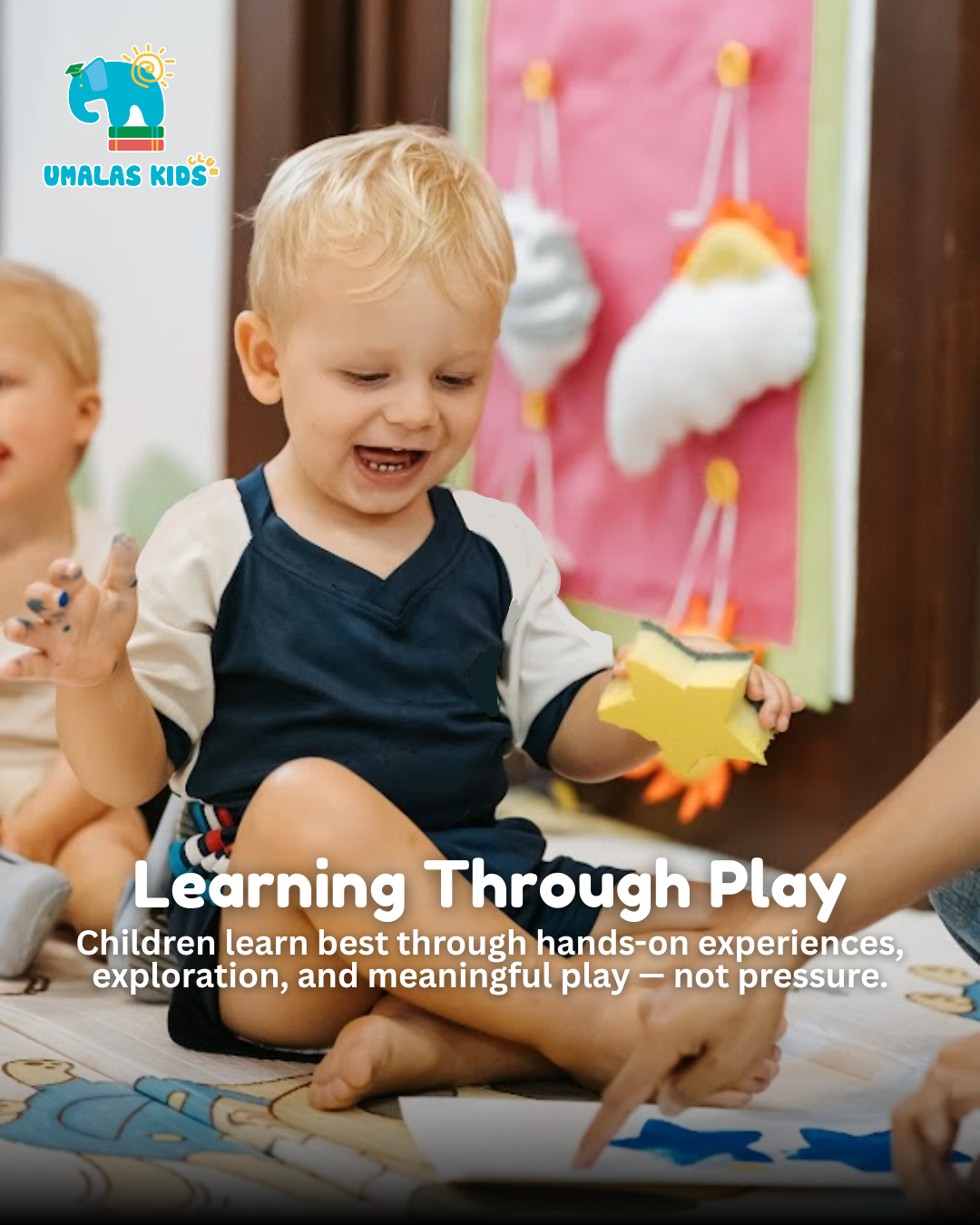
Learning Through Play
The British EYFS curriculum encourages children to learn through hands-on play and exploration.
One of the core principles of the British EYFS curriculum is that children learn best through hands-on experiences, exploration, and meaningful play.
Play is not “just entertainment” in early childhood education. Carefully designed play-based activities help children:
- Develop problem-solving skills
- Build communication abilities
- Improve concentration
- Strengthen creativity
- Learn social interaction
- Explore the world around them
At Umalas Kids Club, our educators create engaging learning environments where play becomes a meaningful educational experience supporting both academic and emotional growth.
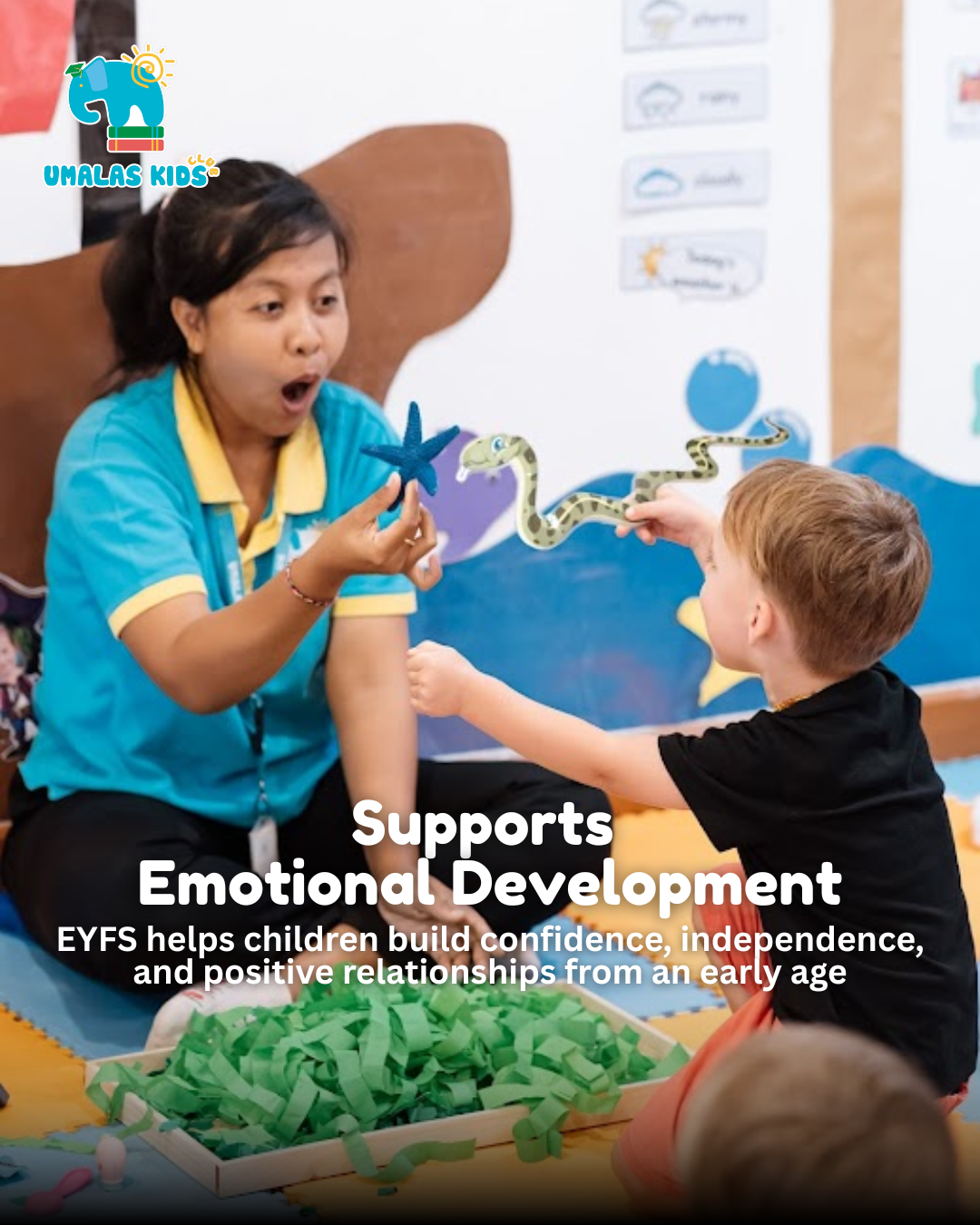
Supporting Emotional Development
EYFS helps children build confidence, emotional security, and positive relationships from an early age.
The early years are critical for emotional and social development.
The EYFS framework helps children build:
- Confidence
- Emotional security
- Independence
- Positive relationships
- Self-expression
- Social awareness
A safe and nurturing preschool environment allows children to feel supported while learning how to interact with others, express emotions appropriately, and develop resilience.
At UKC, we believe emotional wellbeing is essential for successful learning.
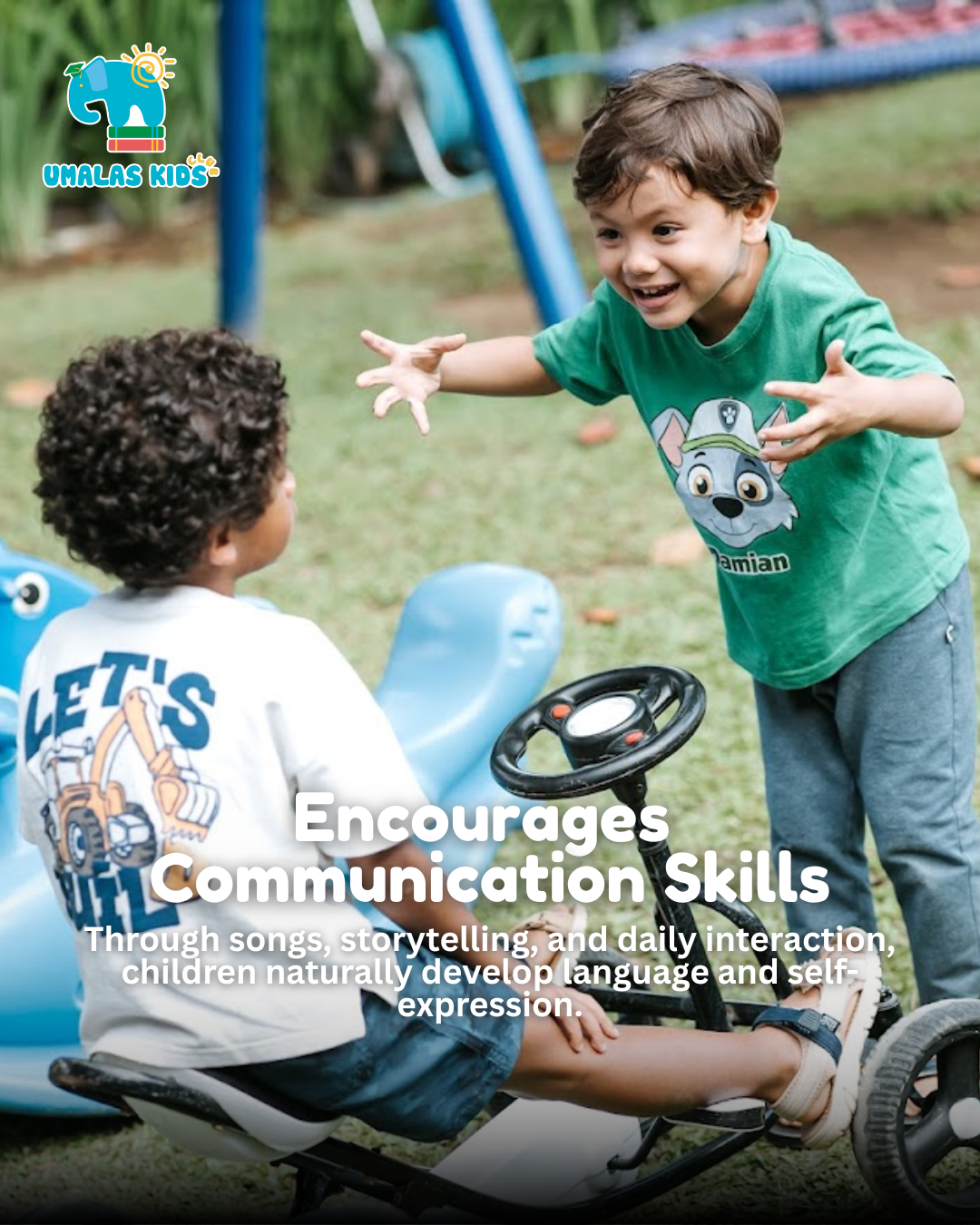
Encouraging Communication Skills
Daily interaction and storytelling activities help children develop language and communication skills naturally.
Communication and language development are fundamental parts of the EYFS curriculum.
Through:
- Storytelling
- Songs
- Conversations
- Group activities
- Role play
- Daily interaction
children naturally develop vocabulary, listening skills, self-expression, and confidence in communication.
As an international preschool in Bali, Umalas Kids Club provides an English-speaking environment while also encouraging cultural awareness and positive social interaction between children from different backgrounds.
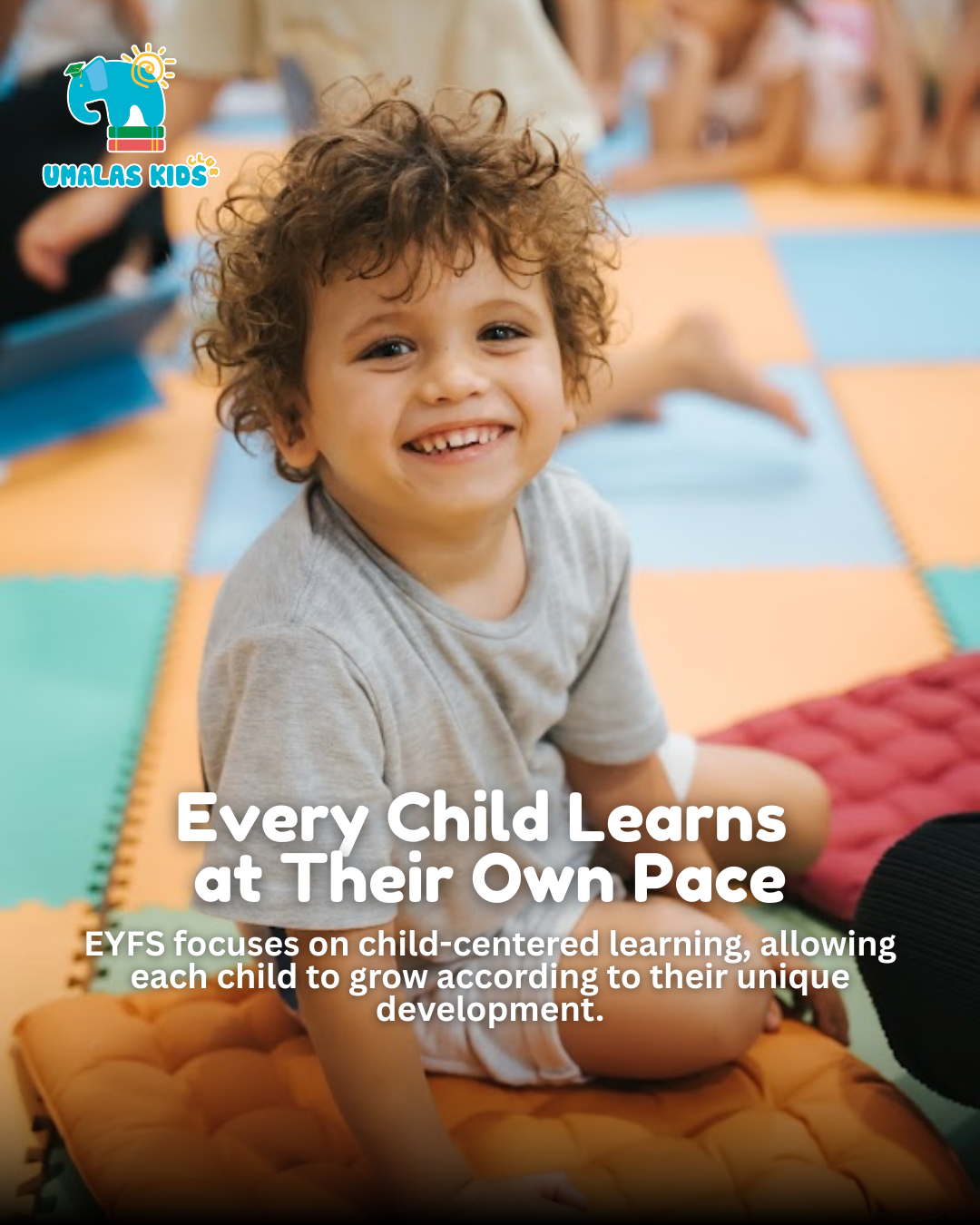
Every Child Learns at Their Own Pace
The EYFS curriculum supports each child according to their unique development and learning pace.
Every child develops differently.
One of the strengths of the EYFS approach is its child-centred philosophy, recognising that children reach milestones at different stages.
Rather than forcing children into rigid expectations, EYFS educators observe, guide, and support each child according to their individual development and learning style.
This creates a more positive learning experience while helping children develop confidence and motivation naturally.
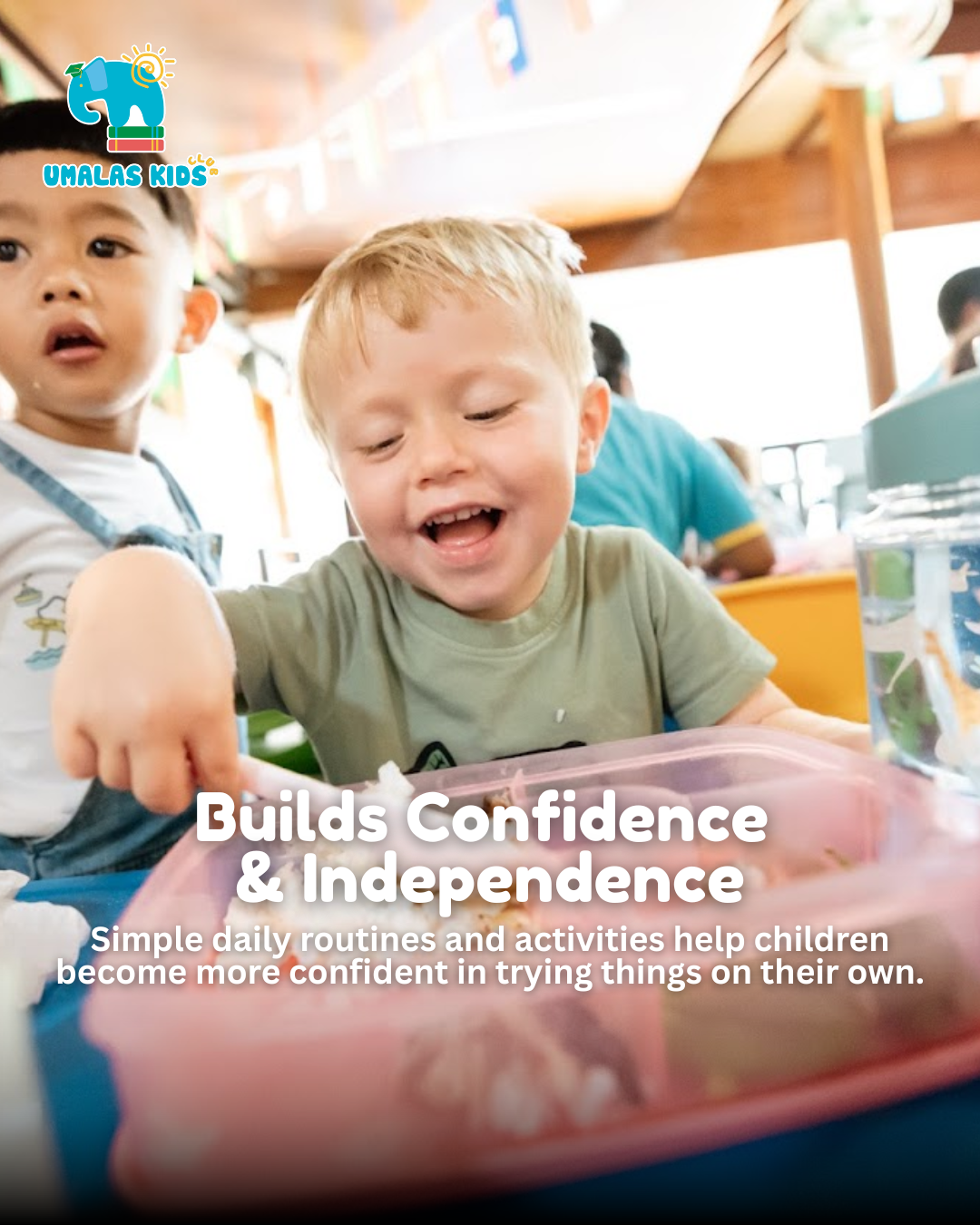
Building Confidence and Independence
Daily routines and guided activities help children become more independent and confident.
Simple daily routines and guided activities help children gradually become more independent.
The EYFS curriculum encourages children to:
- Make choices
- Try new activities
- Develop self-help skills
- Build responsibility
- Gain confidence through achievement
At UKC, children are encouraged to participate actively in their learning environment while receiving support from experienced educators in a safe and structured setting.
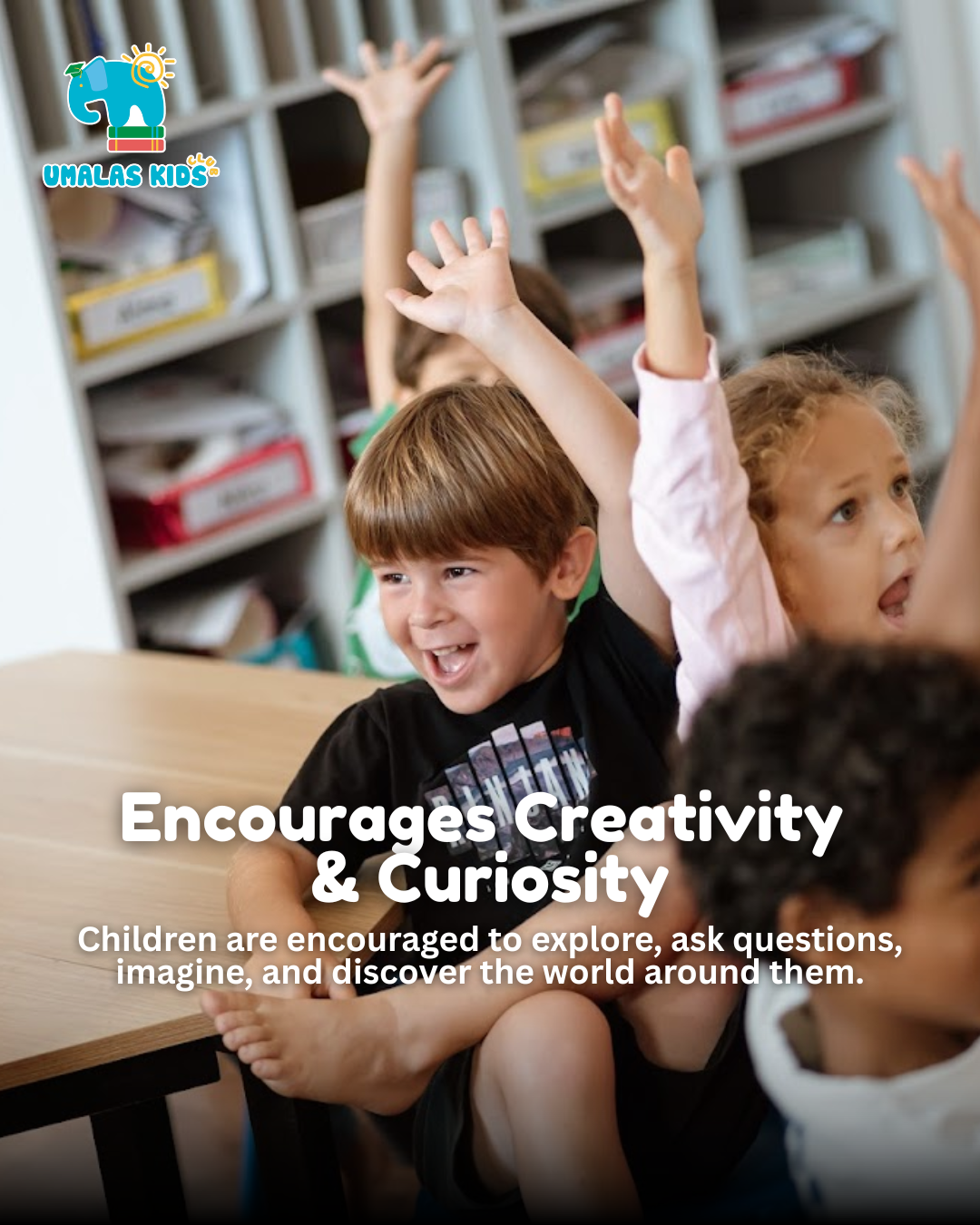
Encouraging Creativity and Curiosity
The EYFS approach encourages children to explore, ask questions, and discover the world around them.
Curiosity plays an essential role in early childhood development.
The EYFS framework encourages children to:
- Explore
- Ask questions
- Imagine
- Experiment
- Discover new ideas
Creative activities such as art, music, storytelling, sensory play, and imaginative play help children develop both cognitive and emotional skills while fostering a lifelong love for learning.
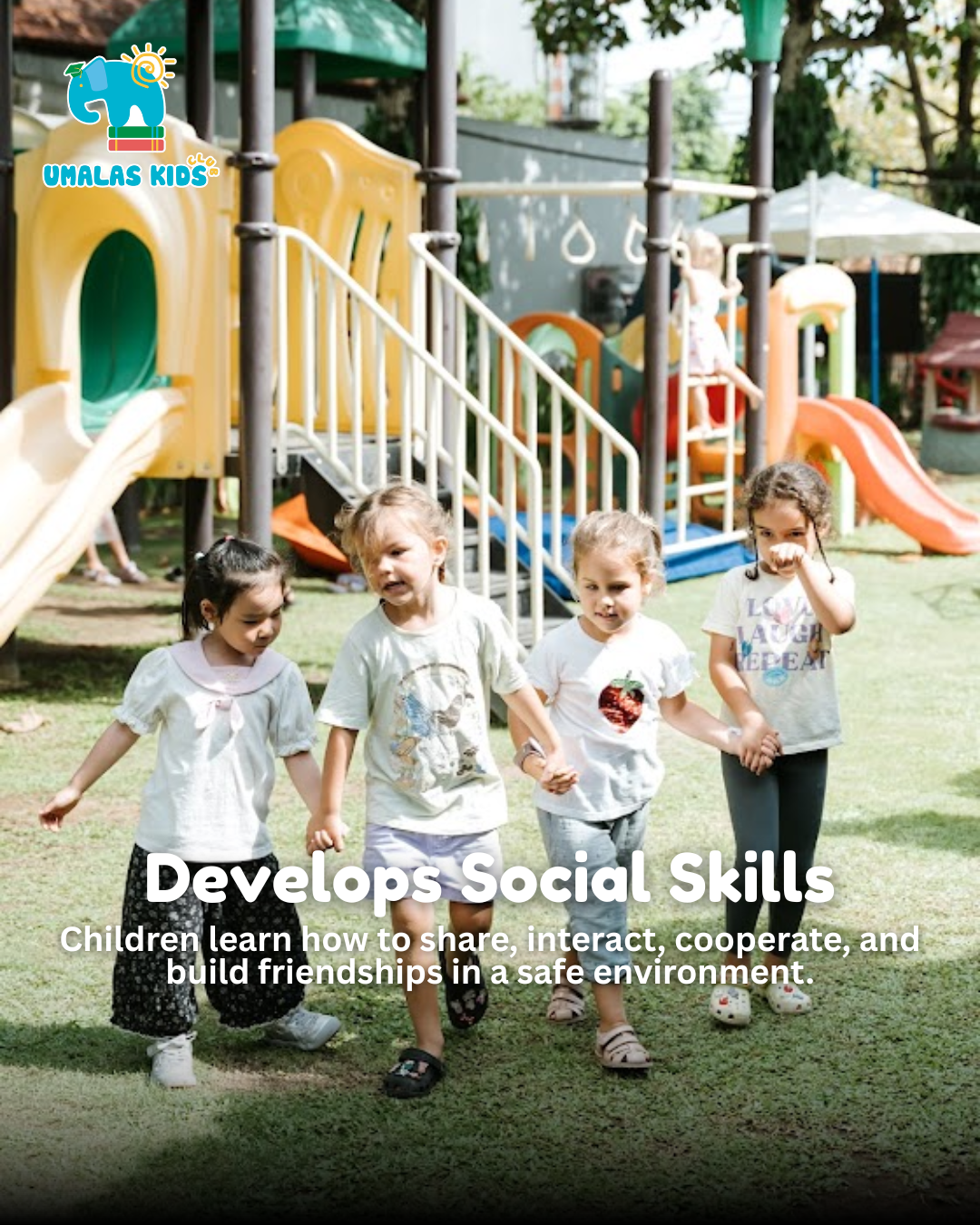
Developing Social Skills
Children learn cooperation, sharing, and friendship-building through guided social interaction.
Preschool is one of the first environments where children learn how to interact within a wider social setting.
The EYFS approach supports:
- Cooperation
- Sharing
- Friendship-building
- Teamwork
- Respect for others
- Positive social interaction
Through guided group activities and daily routines, children develop important interpersonal skills that prepare them for future school environments.
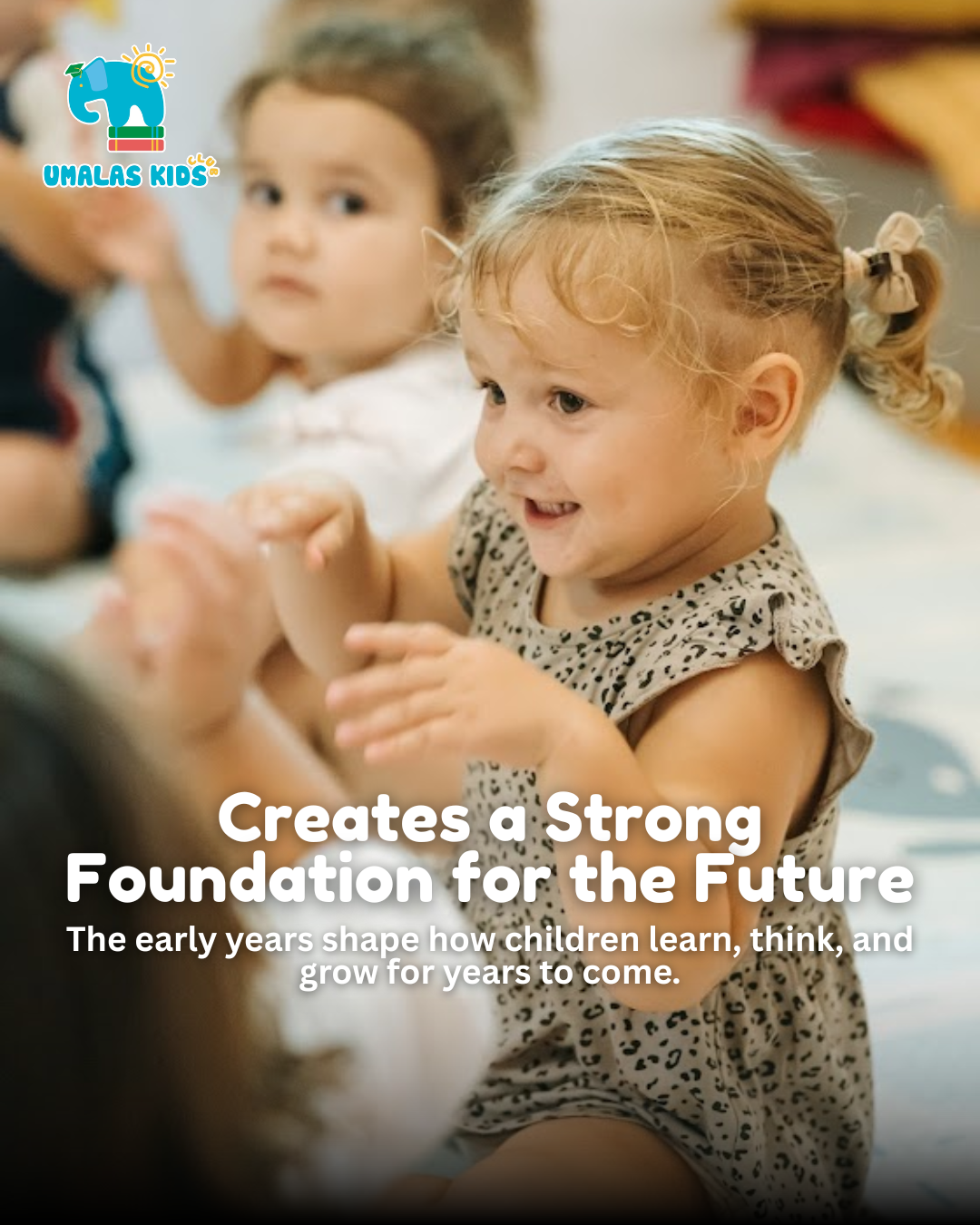
Creating Strong Foundations for the Future
The early years help shape how children learn, communicate, and grow for years to come.
The early years have a lasting impact on how children learn, think, communicate, and approach new experiences later in life.
The British EYFS curriculum helps children develop:
- Confidence
- Curiosity
- Emotional security
- Communication skills
- Independence
- School readiness
These foundations support smoother transitions into future educational environments while helping children become capable, engaged, and happy learners.
Why Families Choose Umalas Kids Club
Discover the British EYFS approach at Umalas Kids Club in Bali.
Since 2014, Umalas Kids Club has welcomed international and expat families looking for a trusted British EYFS preschool in Bali.
Located in Umalas near Canggu and Seminyak, UKC provides:
We believe every child deserves a strong start in a safe, caring, and inspiring learning environment.
Discover the EYFS approach at Umalas Kids Club
Contact us to learn more about enrolment and our preschool programmes in Bali.
by Umalas Kids Club | May 12, 2026 | Uncategorized
What Is the British EYFS Curriculum?

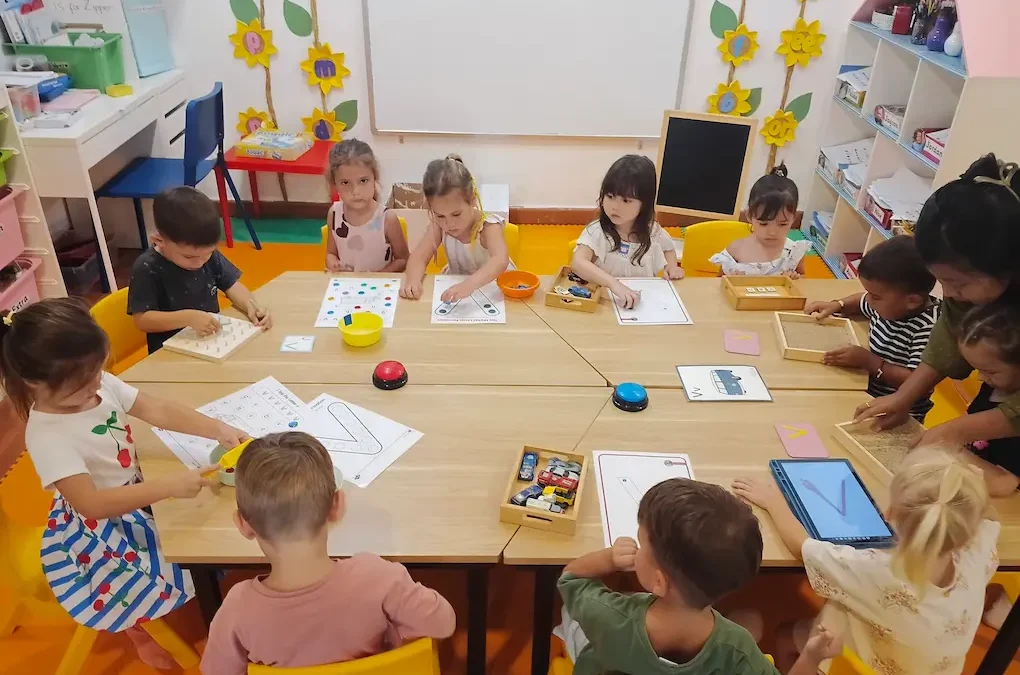
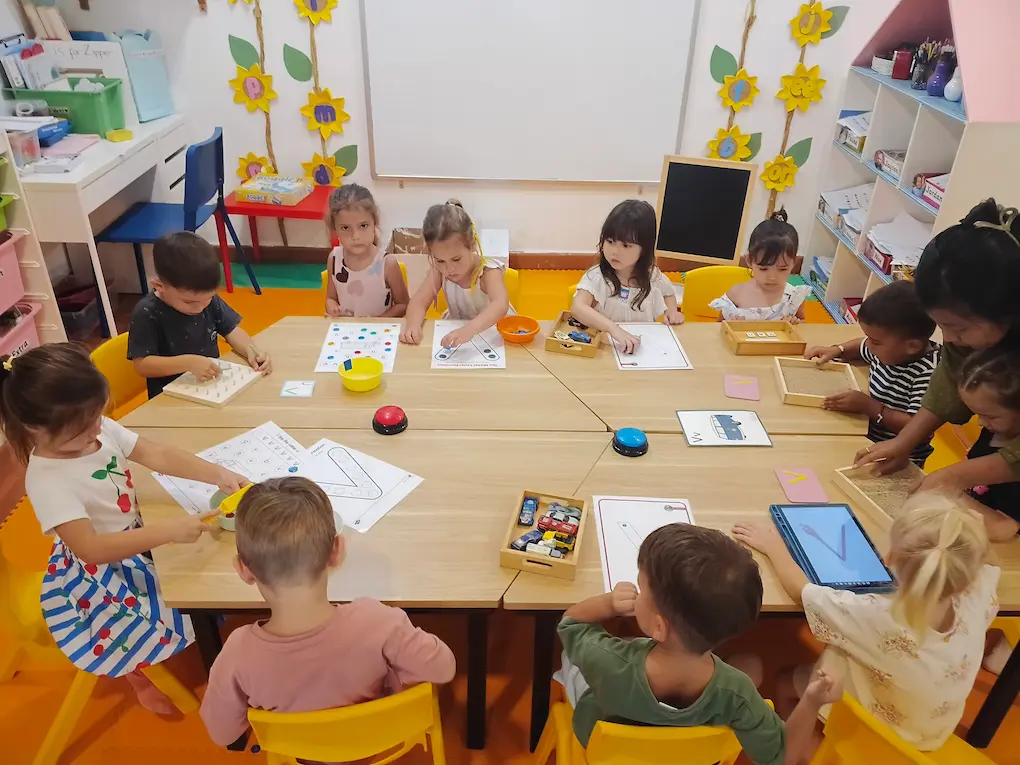
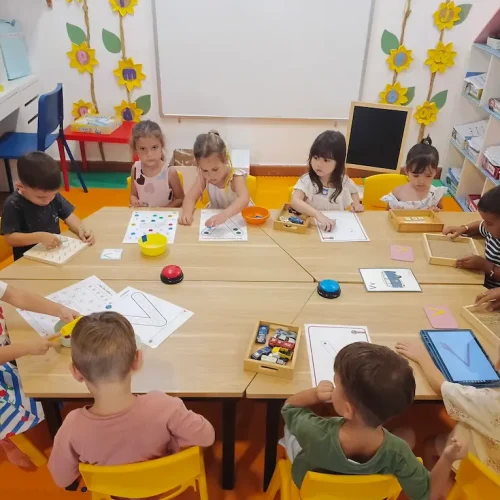
Children participating in structured early years learning activities following the British EYFS curriculum.
Choosing the right early years education is one of the most important decisions parents make during childhood development. For many international and expatriate families living in Bali, understanding the British EYFS curriculum helps clarify comparisons of preschool options and educational approaches.
At Umalas Kids Club, our programs follow the British Early Years Foundation Stage (EYFS) framework — a recognized international early years education system designed to support children’s development from birth to five years old through structured play, exploration, creativity, and guided learning experiences.
This internationally recognised early years framework is widely respected for helping children build strong foundations in communication, confidence, creativity, independence, social development, and early academic readiness.
What Does EYFS Stand For?
EYFS stands for Early Years Foundation Stage.
It is the official British framework for early childhood education, established by the UK government and used by nurseries, preschools, and early years settings across the United Kingdom, as well as by many international schools worldwide.
The EYFS curriculum provides a structured approach to supporting children’s development during the most important early learning years, helping educators create balanced learning experiences adapted to each child’s stage of development.
For many families searching for a British curriculum preschool in Bali, the EYFS framework offers reassurance through its internationally recognised educational standards and child-centred approach.
What Does EYFS Focus On?
The British EYFS curriculum supports children across several key developmental areas that help prepare them for future learning and everyday life.
These include:
Communication and Language
Children develop speaking, listening, vocabulary, understanding, and social communication skills through meaningful daily interactions, storytelling, songs, discussions, and guided activities.
Physical Development
The EYFS framework encourages both fine motor and gross motor development through movement, outdoor play, physical activities, sensory experiences, and coordination exercises.
Personal, Social, and Emotional Development
A strong focus is placed on helping children:
- build confidence,
- develop independence,
- manage emotions,
- form friendships,
- and learn positive social interactions.
Early Literacy and Numeracy
Children are introduced to early reading, writing, phonics, numbers, and problem-solving through age-appropriate and play-based learning experiences.
Creativity and Exploration
The British EYFS curriculum also encourages creativity, imagination, curiosity, roleplay, music, arts, and hands-on exploration to support holistic child development.
How Children Learn Through EYFS
One of the main differences between EYFS and more traditional academic systems is the emphasis on learning through structured play.
Rather than relying on formal classroom instruction alone, children learn through:
- guided exploration,
- sensory experiences,
- problem-solving,
- social interaction,
- outdoor learning,
- and meaningful activities adapted to their developmental stage, especially during the toddler years when communication and independence rapidly develop.
This play-based learning approach helps children remain engaged while naturally building important cognitive, emotional, and social skills.
For many parents looking for an international preschool in Bali, the EYFS approach offers a balanced combination of educational structure and child-centred learning.
Why Play-Based Learning Matters
Play-based learning is not simply “free play.” Within the EYFS approach, activities are intentionally designed to support developmental goals while allowing children to remain curious, active, and engaged.
Research consistently shows that young children learn most effectively when they:
- explore actively,
- interact socially,
- experiment independently,
- and feel emotionally secure within their environment.
This is why high-quality early years education focuses not only on academic outcomes, but also on helping children develop:
- confidence,
- independence,
- communication skills,
- creativity,
- resilience,
- and emotional wellbeing.
How EYFS Supports Early Childhood Development
The early years play a major role in shaping children’s future learning experiences and developmental foundations.
A structured EYFS preschool programme helps children:
- develop positive learning habits,
- strengthen communication skills,
- improve concentration,
- build emotional security,
- and prepare for future school transitions.
Because every child develops differently, the EYFS framework also encourages educators to observe and support individual developmental progress rather than applying a one-size-fits-all approach.
This flexibility is one reason why many international families choose British EYFS education when relocating abroad or searching for an international preschool for expatriate families.
Why International Families Choose British EYFS Education
Many expatriate and international families living in Bali choose EYFS-based education because it is internationally recognised, adaptable, and widely respected across many international education systems worldwide.
The framework provides:
- educational consistency,
- strong developmental foundations,
- internationally transferable learning principles,
- and smooth transitions toward future international schooling pathways.
Families searching for a preschool near Canggu or Seminyak often look for a balance between educational quality, safety, international standards, and emotional wellbeing. Choosing an international preschool in Bali that follows the EYFS approach can help provide continuity and reassurance for children adapting to a new environment or international lifestyle.
For families relocating to Bali with young children, choosing a British EYFS preschool in Bali can also provide emotional reassurance through familiar educational standards and structured early years support.
British EYFS at Umalas Kids Club
At Umalas Kids Club, our early years programmes follow the British EYFS framework and are designed to support children aged 6 months to 6 years old within a safe, structured, and nurturing international environment.
Located in Umalas near Canggu, Seminyak, and Kerobokan, our preschool welcomes international and expatriate families from around the world seeking high-quality early years education in Bali.
Since 2014, our experienced team has focused on creating meaningful learning experiences that support:
- communication,
- creativity,
- emotional wellbeing,
- social development,
- independence,
- and school readiness.
As a fully licensed and accredited international preschool in Bali, we aim to provide children with strong developmental foundations while helping families feel supported throughout their early years journey.
Final Thoughts
The British EYFS curriculum is designed to support children’s development during the most important early learning years through structured play, exploration, creativity, and guided educational experiences.
For many families living in or relocating to Bali, choosing a preschool following the British EYFS framework offers both educational quality and reassurance during early childhood development.
By combining nurturing care, structured learning, and child-centred education, the EYFS approach helps children build the confidence, curiosity, and foundations needed for future learning and life experiences.
Families looking for a British curriculum preschool in Bali are welcome to contact our team to learn more about our early years programmes and admissions process.
by Umalas Kids Club | May 12, 2026 | Uncategorized
Moving to Bali With Kids: What International Families Should Know

Many international families moving to Bali with kids look for stability, routine, and trusted early years education.
Moving to Bali with kids can be an exciting life decision for families seeking a different pace of life, a warmer climate, and a more balanced environment to raise their children.
Over the past few years, Bali has become increasingly popular amongst international families, remote workers, entrepreneurs, and long-term expatriates looking for a lifestyle that combines quality of life, community, and access to international education.
However, moving abroad with young children also comes with many practical and emotional questions.
- Where should we live?
- How do children adapt?
- What are the preschool options in Bali?
- How can we create stability during such a big transition?
As a preschool that has welcomed international families in Bali since 2014, we have seen firsthand both the excitement and the challenges that relocation can bring for parents and children alike.
This guide is intended to help families better understand what to expect when moving to Bali with kids and adapting to life on the island during the important early years.
Moving to Bali With Kids: Why More Families Are Relocating
For many families, Bali offers a lifestyle that can feel increasingly difficult to find elsewhere:
- more outdoor living,
- year-round warm weather,
- a strong international community,
- and a slower, more family-oriented pace of life.
Areas such as Canggu, Umalas, Berawa, and Seminyak have become particularly popular amongst expatriate families due to their growing infrastructure, cafés, international schools, sports facilities, healthcare access, and family-friendly communities.
For parents working remotely or running online businesses, Bali also offers greater flexibility and often a healthier work-life balance than larger international cities.
That said, relocating successfully with children requires more than simply choosing a beautiful destination. Establishing routines, emotional stability, and the right educational environment becomes extremely important during the transition period.
Choosing the Right Area in Bali for Families
One of the first decisions relocating families face is choosing the right area to live.
Different parts of Bali offer very different lifestyles.
For many families moving to Bali with kids, finding the right balance between lifestyle, accessibility, community, and education quickly becomes one of the most important parts of the relocation process.
Umalas
Umalas is often appreciated by families looking for a calmer and more residential environment while still remaining close to Canggu and Seminyak. Many families choose Umalas for its quieter atmosphere, accessibility, and growing family-oriented community.
Canggu
Canggu is popular amongst younger expatriate families and remote workers. It offers a vibrant lifestyle with cafés, sports clubs, fitness facilities, and international communities. However, traffic and rapid development can sometimes make daily logistics more challenging for families with young children.
Seminyak & Berawa
Seminyak and Berawa remain attractive for families wanting convenient access to restaurants, shopping, activities, and international schools while maintaining a more established residential environment.
For families with young children, proximity to preschool, healthcare facilities, and daily activities often becomes more important than initially expected. Long commuting times in Bali traffic can quickly become exhausting for both children and parents.
Education and Preschool Options in Bali

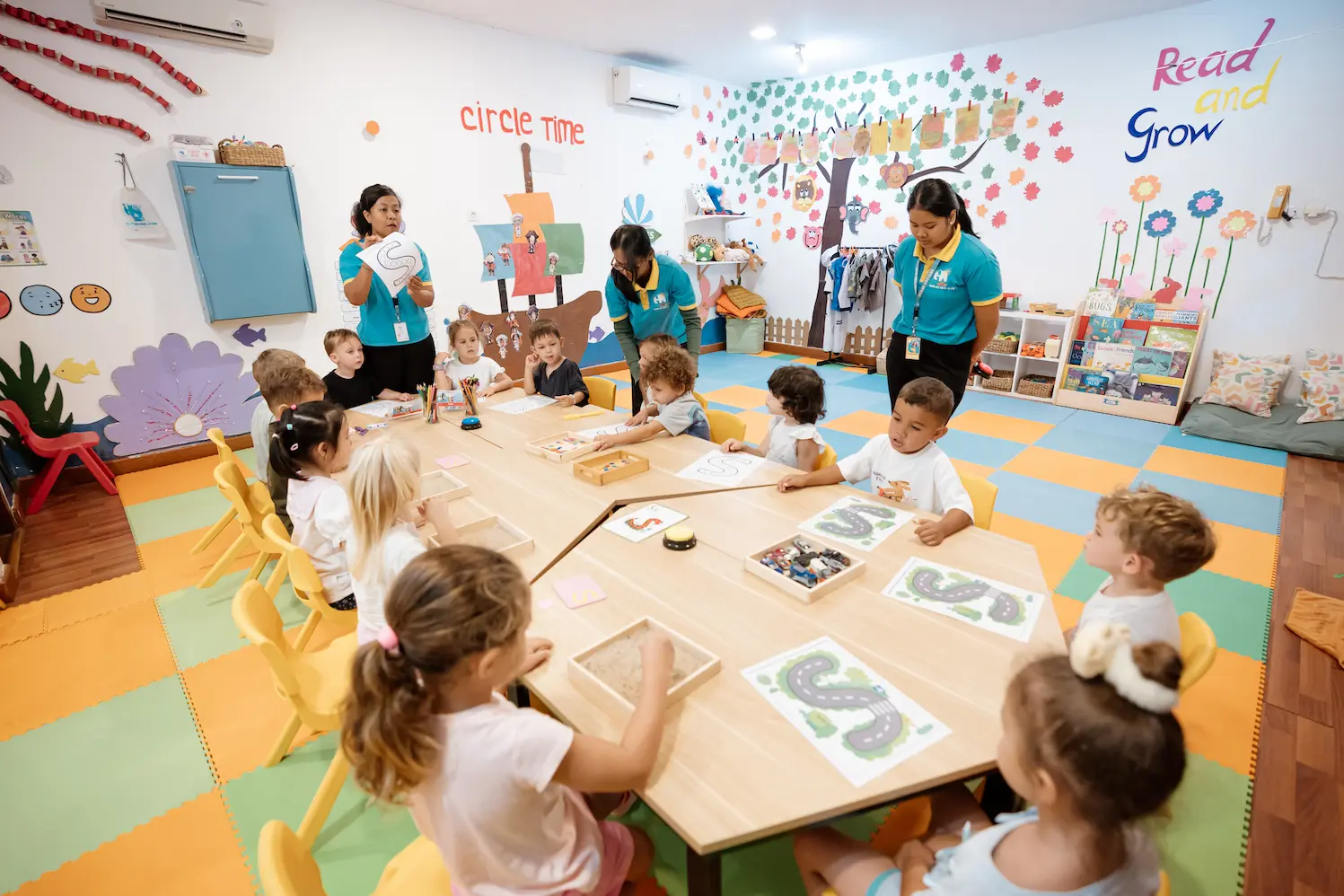
A structured and nurturing classroom environment helps children build confidence, routine, and early learning foundations during relocation.
For many relocating families, finding the right preschool is one of the most important parts of the transition.
Parents moving to Bali with kids often begin researching preschool options long before arriving on the island, especially when planning long-term education pathways.
The preschool years are not only about academics. During relocation, preschool often becomes:
- a child’s first stable routine,
- a social environment,
- a place of emotional reassurance,
- and a foundation for future school adaptation.
Bali offers a wide range of childcare and preschool options, from informal daycare settings to fully licensed international preschools following recognised international curricula. Many families moving to Bali with kids also begin comparing preschool programs to better understand which learning environment, curriculum, and structure best match their child’s needs.
Because standards can vary significantly, parents are encouraged to carefully evaluate:
- licensing and accreditation,
- safety procedures,
- curriculum quality,
- teacher experience,
- language environment,
- and overall professionalism.
For international families planning long-term education pathways, many parents specifically look for schools following recognised international frameworks such as the British Early Years Foundation Stage (EYFS), IB pathways, or other internationally recognised systems.
Why Stability Matters During Relocation
Moving countries can be emotionally overwhelming for young children, even when the transition appears exciting from an adult perspective.
For families moving to Bali with kids, creating emotional stability and predictable routines early can significantly help children adapt more comfortably to their new environment.
Children often experience:
- changes in routines,
- unfamiliar environments,
- new languages,
- different social interactions,
- and separation from familiar surroundings.
This is why creating structure and consistency early after relocation becomes extremely important.
A well-structured preschool environment can help children:
- build confidence,
- create social connections,
- develop communication skills,
- and adapt more comfortably to their new surroundings.
For many families, preschool becomes one of the key anchors helping children settle successfully into life in Bali.
Questions Parents Should Ask Before Choosing a Preschool in Bali
Every family has different priorities, but there are several important questions worth asking before enrolling in a preschool in Bali.
Is the preschool officially licensed and accredited?
This is particularly important in Bali, where standards and operational quality can vary significantly between schools.
Which curriculum does the school follow?
Understanding the educational framework helps parents evaluate how well the school supports long-term development and future school transitions.
Is English the primary language used in the classroom?
For many international families, language consistency plays an important role in adaptation and communication development.
How does the school approach safety and supervision?
Parents should understand:
- teacher-to-child ratios,
- supervision policies,
- security procedures,
- hygiene standards,
- and emergency protocols.
Is the environment structured, nurturing, and professionally managed?
A calm, organised, and professionally run environment often makes a significant difference in how comfortably children adapt during relocation.
Supporting Children After Moving to Bali With Kids
Every child adapts differently to a new country and environment.
Some children integrate quickly, while others may require more time, reassurance, and emotional support.
Parents can often support smoother adaptation by:
- maintaining predictable routines,
- encouraging social interaction,
- introducing preschool gradually,
- and creating consistent communication between home and school.
The goal during the first months is rarely perfection. More importantly, children need to feel:
- safe,
- emotionally supported,
- and secure within their new environment.
Finding the Right Preschool Environment in Bali
For families relocating to Bali, choosing the right preschool often becomes one of the most important early decisions.
A preschool should not simply provide childcare. It should offer:
- safety,
- structure,
- emotional reassurance,
- meaningful early learning,
- and a supportive community environment for both children and parents.
As a British EYFS preschool in Bali welcoming international and expatriate families since 2014, Umalas Kids Club supports children through every stage of early childhood adaptation and relocation. As a fully licensed and accredited international preschool in Bali following the British EYFS curriculum, our focus is to provide a safe, structured, and nurturing early years environment where children can confidently adapt, learn, and grow.
Located in Umalas, near Canggu and Seminyak, we welcome children aged 6 months to 6 years old within a professionally managed international environment designed to support both early childhood development and smooth family transitions into life in Bali.
Final Thoughts
Moving to Bali with kids can be an incredibly rewarding experience when families are supported by the right environment, routines, and educational foundations.
While every family’s journey is unique, creating stability, community, and emotional security during the early stages of relocation often makes a tremendous difference for children.
With thoughtful preparation and the right support system, Bali can offer families not only a beautiful place to live — but also a meaningful place for children to learn, grow, and thrive.
For families planning a move to Bali with young children, visiting schools early and understanding the different educational approaches available can make the transition significantly smoother. Families wishing to learn more about Umalas Kids Club, our British EYFS curriculum, or our preschool environment are always welcome to contact our team for further information or to arrange a school visit.