What Is the British EYFS Curriculum?
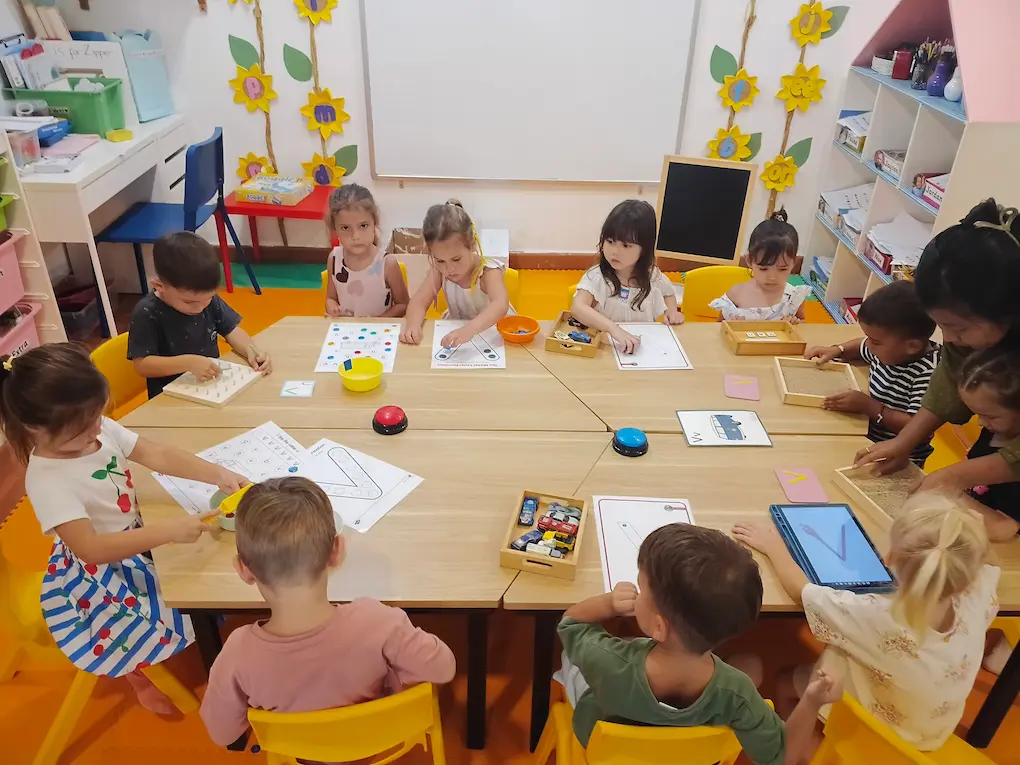
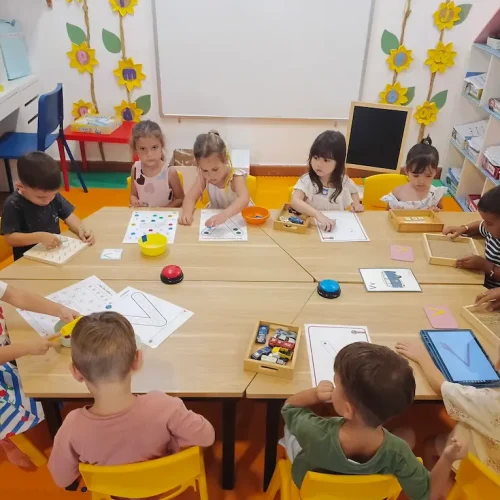
Children participating in structured early years learning activities following the British EYFS curriculum.
Choosing the right early years education is one of the most important decisions parents make during childhood development. For many international and expatriate families living in Bali, understanding the British EYFS curriculum helps clarify comparisons of preschool options and educational approaches.
At Umalas Kids Club, our programs follow the British Early Years Foundation Stage (EYFS) framework — a recognized international early years education system designed to support children’s development from birth to five years old through structured play, exploration, creativity, and guided learning experiences.
This internationally recognised early years framework is widely respected for helping children build strong foundations in communication, confidence, creativity, independence, social development, and early academic readiness.
What Does EYFS Stand For?
EYFS stands for Early Years Foundation Stage.
It is the official British framework for early childhood education, established by the UK government and used by nurseries, preschools, and early years settings across the United Kingdom, as well as by many international schools worldwide.
The EYFS curriculum provides a structured approach to supporting children’s development during the most important early learning years, helping educators create balanced learning experiences adapted to each child’s stage of development.
For many families searching for a British curriculum preschool in Bali, the EYFS framework offers reassurance through its internationally recognised educational standards and child-centred approach.
What Does EYFS Focus On?
The British EYFS curriculum supports children across several key developmental areas that help prepare them for future learning and everyday life.
These include:
Communication and Language
Children develop speaking, listening, vocabulary, understanding, and social communication skills through meaningful daily interactions, storytelling, songs, discussions, and guided activities.
Physical Development
The EYFS framework encourages both fine motor and gross motor development through movement, outdoor play, physical activities, sensory experiences, and coordination exercises.
Personal, Social, and Emotional Development
A strong focus is placed on helping children:
- build confidence,
- develop independence,
- manage emotions,
- form friendships,
- and learn positive social interactions.
Early Literacy and Numeracy
Children are introduced to early reading, writing, phonics, numbers, and problem-solving through age-appropriate and play-based learning experiences.
Creativity and Exploration
The British EYFS curriculum also encourages creativity, imagination, curiosity, roleplay, music, arts, and hands-on exploration to support holistic child development.
How Children Learn Through EYFS
One of the main differences between EYFS and more traditional academic systems is the emphasis on learning through structured play.
Rather than relying on formal classroom instruction alone, children learn through:
- guided exploration,
- sensory experiences,
- problem-solving,
- social interaction,
- outdoor learning,
- and meaningful activities adapted to their developmental stage, especially during the toddler years when communication and independence rapidly develop.
This play-based learning approach helps children remain engaged while naturally building important cognitive, emotional, and social skills.
For many parents looking for an international preschool in Bali, the EYFS approach offers a balanced combination of educational structure and child-centred learning.
Why Play-Based Learning Matters
Play-based learning is not simply “free play.” Within the EYFS approach, activities are intentionally designed to support developmental goals while allowing children to remain curious, active, and engaged.
Research consistently shows that young children learn most effectively when they:
- explore actively,
- interact socially,
- experiment independently,
- and feel emotionally secure within their environment.
This is why high-quality early years education focuses not only on academic outcomes, but also on helping children develop:
- confidence,
- independence,
- communication skills,
- creativity,
- resilience,
- and emotional wellbeing.
How EYFS Supports Early Childhood Development
The early years play a major role in shaping children’s future learning experiences and developmental foundations.
A structured EYFS preschool programme helps children:
- develop positive learning habits,
- strengthen communication skills,
- improve concentration,
- build emotional security,
- and prepare for future school transitions.
Because every child develops differently, the EYFS framework also encourages educators to observe and support individual developmental progress rather than applying a one-size-fits-all approach.
This flexibility is one reason why many international families choose British EYFS education when relocating abroad or searching for an international preschool for expatriate families.
Why International Families Choose British EYFS Education
Many expatriate and international families living in Bali choose EYFS-based education because it is internationally recognised, adaptable, and widely respected across many international education systems worldwide.
The framework provides:
- educational consistency,
- strong developmental foundations,
- internationally transferable learning principles,
- and smooth transitions toward future international schooling pathways.
Families searching for a preschool near Canggu or Seminyak often look for a balance between educational quality, safety, international standards, and emotional wellbeing. Choosing an international preschool in Bali that follows the EYFS approach can help provide continuity and reassurance for children adapting to a new environment or international lifestyle.
For families relocating to Bali with young children, choosing a British EYFS preschool in Bali can also provide emotional reassurance through familiar educational standards and structured early years support.
British EYFS at Umalas Kids Club
At Umalas Kids Club, our early years programmes follow the British EYFS framework and are designed to support children aged 6 months to 6 years old within a safe, structured, and nurturing international environment.
Located in Umalas near Canggu, Seminyak, and Kerobokan, our preschool welcomes international and expatriate families from around the world seeking high-quality early years education in Bali.
Since 2014, our experienced team has focused on creating meaningful learning experiences that support:
- communication,
- creativity,
- emotional wellbeing,
- social development,
- independence,
- and school readiness.
As a fully licensed and accredited international preschool in Bali, we aim to provide children with strong developmental foundations while helping families feel supported throughout their early years journey.
Final Thoughts
The British EYFS curriculum is designed to support children’s development during the most important early learning years through structured play, exploration, creativity, and guided educational experiences.
For many families living in or relocating to Bali, choosing a preschool following the British EYFS framework offers both educational quality and reassurance during early childhood development.
By combining nurturing care, structured learning, and child-centred education, the EYFS approach helps children build the confidence, curiosity, and foundations needed for future learning and life experiences.
Families looking for a British curriculum preschool in Bali are welcome to contact our team to learn more about our early years programmes and admissions process.